
Watering
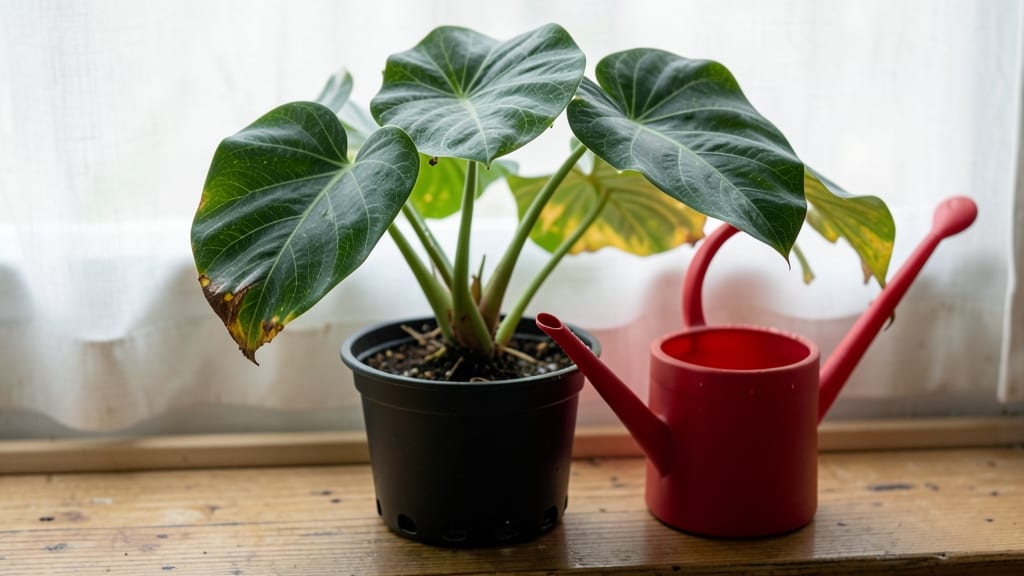
Even that accidentally overwatered plant you thought you were saving can turn your once-thriving houseplant into a sad, yellowing mess—fast. I’ve drowned more ferns than I’ll admit, but this 3-step rescue works every time, whether you’ve got a wilting peace lily or a soggy succulent.
The key? Acting fast before the roots turn to mush.
Most people think wilting means "water it more," but the real signs are mushy stems, leaves that fall at a touch, and soil that smells like a swamp. I check moisture with my finger—if it’s damp 2 inches down, hold off.
For root rot, you’ll need fresh potting mix, a clean pot, and patience. The good news? Even severely overwatered plants bounce back with the right care.
By the end, your plant will look like it never took a drink from the fire hose. You’ll spot the difference in 7-10 days: crisp new growth, perky leaves, and soil that smells fresh, not funky.
The secret’s in the routine—water only when the top inch feels dry, and always use pots with drainage holes.
This works for everything from tropicals to cacti, though succulents need extra-dry soil. Once you’ve saved one plant, you’ll never guess again—your whole collection will thank you. Let’s fix this before the roots give up for good.
Root Causes Of Overwatering
Even the greenest thumbs can fall victim to the too-much-water trap—and it’s often sneaky. Understanding why this happens is the first step to preventing it. Let’s break down the science (and human habits) behind accidentally drowning your plants.
Most overwatering starts with good intentions. If you’re new to plant care, you might assume “more water = happier plant”—but that’s rarely true. Here’s why:
- Misunderstanding thirst cues: Plants don’t sweat or wilt visibly until root rot sets in. Many beginners check soil moisture by lifting the pot (which can be misleading) or relying on vague “water every 3 days” advice that ignores humidity, pot size, or plant type.
- The “just in case” mindset: If you’re unsure whether to water, overwatering feels safer than underwatering. But roots need oxygen—too much H₂O suffocates them, triggering anaerobic bacteria that rot roots within 24–48 hours.
- Autopilot watering: Setting a timer or watering on a schedule (e.g., “Monday/Wednesday/Friday”) ignores real-time conditions. Soil dries at different rates based on weather, season, and even your home’s indoor climate.
Pro tip: 💡 Stick your finger 1–2 inches into the soil—if it’s damp, wait. If it’s bone-dry, water deeply but only until it drains from the bottom.
Not all pots are created equal—and neither are their drainage solutions. Here’s how containers backfire:
| Problem | Why It Happens | Fix It |
|---|---|---|
| No drainage holes | Water pools at the bottom, creating a permanent soggy zone where roots can’t breathe. Even “self-watering” pots can trap excess moisture if not monitored. | Drill holes in the bottom (or use a cache pot with gravel). |
| Clogged or tiny holes | Mineral buildup, old soil, or cheap plastic pots with pinprick holes slow drainage. Roots stay waterlogged even if the pot “looks dry” on top. | Soak the pot in vinegar to dissolve mineral deposits. Upgrade to pots with ¼-inch holes. |
| Using saucers as catchalls | Leaving excess water in saucers recycles it back into the soil via capillary action. Roots never dry out. | Empty saucers immediately after watering. Use pebbles in saucers to lift pots slightly. |
Warning: 🚨 Terracotta pots dry faster but absorb moisture—great for drainage but terrible if you overcompensate with extra water.
Your plant’s surroundings play a huge role in how often it needs water. Ignoring these factors is a fast track to root rot:
- Low light + high humidity: Plants in shady spots (e.g., bathrooms, north-facing windows) photosynthesize less, so they don’t transpire as much. Meanwhile, humidity traps moisture in the soil. Result? Stagnant water.
- Cold drafts or AC units: Cool air slows evaporation, keeping soil damp longer. A plant near a window AC or in a drafty corner may need 30–50% less water than one in a warm, sunny room.
- Seasonal shifts: Winter air is drier, but indoor heating can paradoxically make soil stay wetter. Conversely, summer humidity might trick you into thinking a plant needs water when it doesn’t.
Action step: 🌡️ Use a hygrometer (or a free phone app) to track humidity. Aim for 40–60% humidity for most houseplants.
Not all plants are equal when it comes to drought tolerance. Here’s how picking the wrong species leads to overwatering:
- Tropical plants in dry climates: Plants like calatheas, ferns, or peace lilies evolved in humid jungles. They crave moisture but hate soggy roots. Overwatering them is like giving a fish a bath—it drowns.
- Succulents with “average” care: A snake plant or jade plant can survive weeks without water, but if you treat it like a fern, its roots rot in 3–5 days. The fix? Research your plant’s native habitat.
- New growth = false signals: Some plants (like pothos or philodendrons) grow faster when overwatered, tricking you into thinking they’re thirsty. But their roots are silently rotting.
Quick test: ✨ If your plant’s leaves are yellowing and mushy (not crispy/brown), it’s overwatered. If they’re dry, crispy, and falling off, it’s underwatered.
Fixing Overwatered Plants Fast
When your plant’s roots are drowning, acting quickly can save it—even if it looks like a lost cause. Below are targeted fixes based on the most common causes of overwatering, plus prevention tips to keep your green friends thriving. Let’s turn that soggy mess into a comeback story!
Cause: Too much water + poor drainage = suffocating roots. Fix:
- Stop Watering Immediately 🚰
- Let the soil dry out completely before watering again. Stick your finger 1-2 inches deep—if it’s damp, wait.
- Repot in Fresh, Dry Soil 🏺
- Gently remove the plant and trim any mushy, black roots (use clean scissors).
- Repot in a well-draining mix (add perlite, sand, or orchid bark) and a pot with drainage holes.
- Boost Airflow & Light 🌿
- Move the plant to bright, indirect light (no harsh sun yet).
- Use a small fan to improve circulation—roots need oxygen!
Prevention Tip: 💡 Water only when the top 1-2 inches of soil are dry. Use a moisture meter for tricky plants!
Cause: Too much water + excess salts from fertilizers clogging roots. Fix:
- Flush the Soil 💦
- Water the plant thoroughly until it drains from the bottom. Repeat 2-3 times to leach out salts.
- Adjust Fertilizer Habits 🚫💊
- Wait 4-6 weeks before fertilizing again.
- Switch to a diluted, organic fertilizer (like fish emulsion) to avoid salt buildup.
- Check Humidity Levels 🌡️
- If your home is dry, mist leaves lightly or use a pebble tray to keep roots happy.
Prevention Tip: ✨ Always water before fertilizing—never the other way around!
Cause: No drainage holes + heavy soil = waterlogged roots. Fix:
- Upgrade the Pot 🏗️
- Move the plant to a terracotta or ceramic pot (breathable materials help).
- If no holes exist, drill them (safety first—wear gloves!).
- Lighten the Soil Mix 🌱
- Amend heavy soil with perlite, vermiculite, or coconut coir (20-30% of the mix).
- For tropical plants, try a chunky mix with bark or charcoal.
- Water from the Bottom 💧
- Place the pot in a tray of water for 10-15 minutes, then drain excess. This prevents over-saturating the top layer.
Prevention Tip: 🎯 Group plants with similar water needs—some love moisture (like ferns), while others (like succulents) need to dry out.
If your plant is severely rotted (smells bad, wilts despite fixes), try:
- Root Hormone Treatment 💊 – Dip trimmed roots in rooting hormone before repotting.
- Hydrogen Peroxide Soak 🧪 – Soak roots in 3% hydrogen peroxide (1 part peroxide to 10 parts water) for 10 minutes to kill fungus.
- Propagate Healthy Cuttings 🌿 – If the main plant is beyond saving, snip healthy stems and root them in fresh soil.
Final Pro Tip: 🌟 When in doubt, underwater! Most plants prefer dry soil over soggy roots—better safe than sorry.
Frequently asked questions
How do I know if my plant is overwatered vs. underwatered?
Check the leaves and soil: overwatered plants have yellow, mushy leaves that fall easily, while underwatered plants show dry, crispy edges. Stick your finger 1-2 inches deep—if damp, you’ve overwatered. If bone-dry, it’s thirsty.
Can I save a plant with root rot?
Yes! Trim black, mushy roots with clean scissors, repot in fresh, dry soil with perlite, and let it dry out completely. Move to bright, indirect light and avoid watering for 5-7 days. Some plants recover fully, while others may need propagation.
Why does my plant keep getting overwatered even after fixing it?
Common triggers: no drainage holes, heavy soil mix, or ignoring humidity levels. Use pots with holes, lighten soil with perlite, and track moisture with your finger. A moisture meter ($10 at garden stores) removes guesswork.
Is it better to underwater or overwater plants?
Most plants prefer slightly dry soil—roots need oxygen! Overwatering causes root rot, while underwatering just slows growth. The key is consistency: water when the top 1-2 inches feel dry.
How long does it take for an overwatered plant to recover?
Mild cases show improvement in 3-5 days with proper care, while severe rot may take 2-4 weeks for new growth. Be patient—stop watering until soil is dry, then adjust your routine.