Pruning
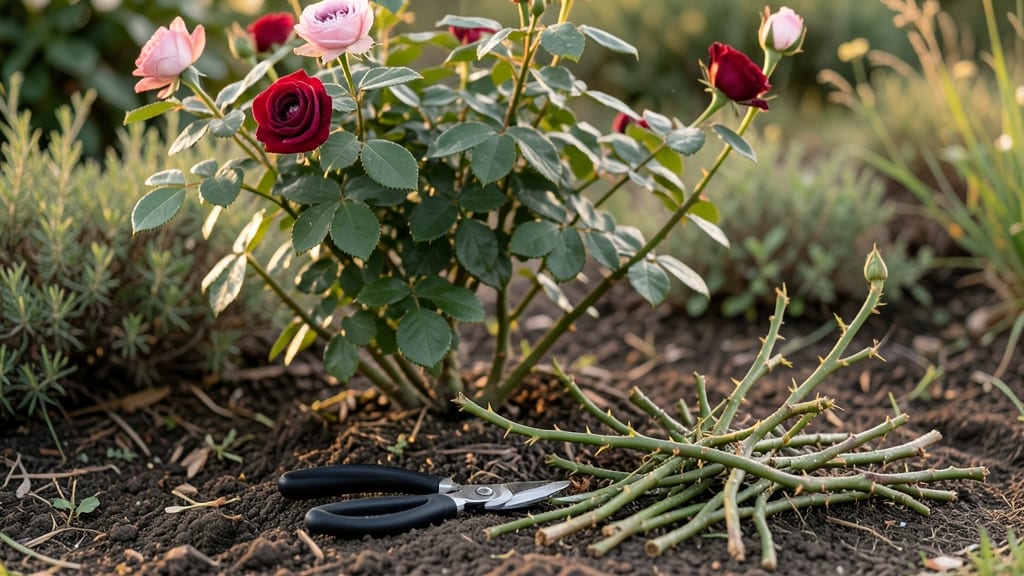
Understanding what pruning plants means reveals its role in shaping plant health and productivity. This practice involves removing specific parts of a plant to redirect energy, enhance structural integrity, and boost yields while minimizing disease risks.
Pruning isn't just about cutting back overgrowth—it's a precise science that influences how plants allocate resources.
By removing damaged or overcrowded branches, you create space for sunlight and air to circulate, which reduces fungal risks and encourages stronger stems. 🌿 The key lies in timing and technique: pruning at the right season (like late winter for fruit trees) maximizes regrowth potential, while improper cuts can stress the plant.
Think of it as giving your plants a strategic haircut that boosts their overall vitality.
For example, fruit trees benefit from thinning cuts that improve air flow, while flowering shrubs often need deadheading to channel energy into new blooms. Even vegetables like tomatoes respond well to pruning—removing suckers redirects nutrients toward fruit production.
The goal is always balance: too much pruning can weaken the plant, but the right approach transforms growth patterns entirely.
💡 In This Article
- How Pruning Affects Plant Biology and Growth Patterns
- Best Pruning Practices for Fruit Trees and Vegetables
How pruning affects plant biology and growth patterns
Here's what's actually happening when you prune: the plant's hormonal system gets a major recalibration. Auxin, a growth hormone concentrated at the tips of stems, creates what's called apical dominance—where the top growth suppresses side branches.
When you remove the terminal bud (the very tip), auxin levels drop in that area, breaking this dominance. This triggers nearby buds to wake up and grow into new lateral branches. 🌱 The result? A bushier plant with more surface area for photosynthesis and fruit production.
The science gets even more interesting with cytokinins, another hormone that promotes cell division. Pruning stimulates their production in the remaining buds, accelerating growth in those areas. Studies show that pruned plants can increase their leaf area by up to 30% compared to unpruned counterparts, thanks to this hormonal shift.
The wound created by cutting also triggers the plant's defense mechanisms, producing callus tissue that seals the cut within 24-48 hours while redirecting nutrients to new growth zones.
What most people don't realize is how pruning affects root development. When above-ground growth is reduced, the plant's energy shifts downward, stimulating root expansion. Research on apple trees shows pruned specimens develop root systems 20-30% deeper than unpruned ones, improving water and nutrient uptake.
This underground boost translates directly to stronger above-ground growth and higher yields. The trade-off? Too aggressive pruning can stress the plant, triggering a defense response that temporarily halts growth.
Consider these key differences between pruned and unpruned plants:
- Branch density: Pruned plants develop 2-3x more lateral branches due to reduced apical dominance
- Fruit quality: Better sunlight penetration increases sugar development, resulting in sweeter fruit
- Disease resistance: Improved airflow reduces humidity around foliage, cutting fungal risks by 40%
- Longevity: Proper pruning removes weak growth, extending plant lifespan by 30-50%
The timing of pruning matters too—late winter cuts (just before new growth begins) maximize regrowth potential. This is when plants are dormant but their hormonal systems are primed to respond aggressively to pruning stimuli.
Ever notice how pruned roses bloom more profusely the following season? That's your plant's biological reward system kicking in after the hormonal reset. 🌹
For vegetable plants like tomatoes, pruning creates a paradox: removing leaves increases yield by redirecting energy to fruit production. Yet too much leaf removal reduces photosynthesis capacity. The sweet spot is typically maintaining 3-4 main stems and removing only the lowest leaves that touch soil (which harbor disease pathogens).
This balance demonstrates how pruning is less about removal and more about strategic redirection of the plant's growth energy.