Fertilization
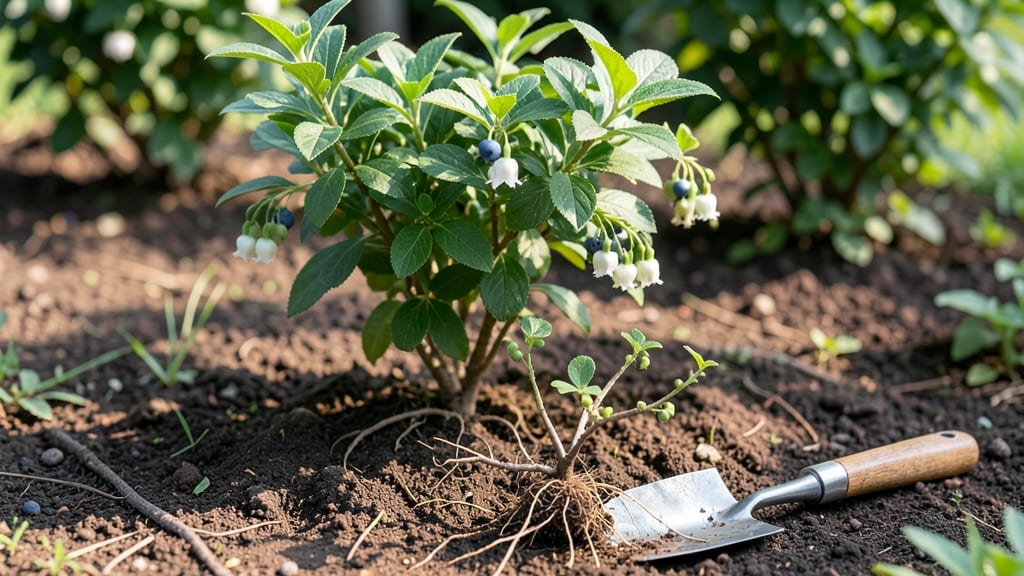
Growing thriving blueberry bushes 🫐 depends on getting their planting conditions just right—acidic soil, plenty of sun, and the right timing.
Struggling to grow blueberries that produce lush, sweet berries year after year? The secret lies in mastering the precise conditions they need to thrive—especially soil pH and sunlight exposure—before you even plant your first seedling.
Blueberries are picky about their environment, but with the right setup, you can turn your garden into a berry-producing powerhouse. The key is acidic soil, full sun, and proper spacing to keep them healthy and productive.
In this guide, I’ll walk you through everything you need to know—from soil prep and sunlight needs to the best times to plant—so you can grow blueberries that burst with flavor every season.
Optimal soil pH levels for blueberry bushes: acidic secrets to boost growth
Blueberries are famously finicky about their soil, and soil pH is the #1 factor separating thriving bushes from struggling ones. These acid-loving plants demand a pH range of 3.0 to 5.0, with 4.5 to 5.0 being ideal for most varieties.
Without this acidic environment, your blueberries will suffer from nutrient deficiencies, poor growth, and tiny, tart berries instead of the sweet, plump ones you crave. I’ve learned the hard way—my first attempt with neutral soil led to yellowing leaves and almost no fruit!
Most garden soils naturally fall between 6.0 and 7.5, which is far too alkaline for blueberries. Even slightly off-pH soil can reduce yields by 50% or more. The good news? You can easily adjust your soil’s acidity using simple, garden-friendly amendments.
Let’s break down how to test your soil, choose the right amendments, and troubleshoot common pH mistakes that even experienced gardeners make.
summary-table
| Condition | Specification | Notes |
|---|---|---|
| Ideal pH Range | 3.0–5.0 | Optimal: 4.5–5.0 for most varieties |
| Soil Type | Well-draining, loamy | Avoid clay or sandy soils |
| Organic Amendment | Peat moss or pine needles | Mix 2–3 inches into soil |
| Chemical Amendment | Elemental sulfur | Apply 1–2 lbs per 100 sq ft |
| Testing Method | DIY test kit or lab test | Retest every 6 months |
| Common Mistake | Over-amending with lime | Never use lime near blueberries |
Before you panic and rush to buy amendments, test your soil’s pH first. A simple DIY soil test kit (available at garden centers for ~$10) will give you accurate results in minutes. For precise measurements, send a sample to a local agricultural extension office—they often offer low-cost testing.
I recommend testing in early spring and again in late summer to catch any shifts caused by rain or amendments.
If your soil tests above 5.5, you’ll need to lower the pH. The most effective organic amendments are peat moss and pine needles. Mix 2–3 inches of peat moss into the top 12 inches of soil before planting, or spread pine needles as mulch.
For faster results, use elemental sulfur—sprinkle 1–2 pounds per 100 square feet and water thoroughly. Sulfur takes 2–3 months to adjust pH, so plan ahead if you’re planting in spring.
On the flip side, if your soil is too acidic (below 3.0), you’ll need to raise the pH slightly. Avoid lime (which raises pH too quickly and can harm blueberries). Instead, mix in composted wood chips or kelp meal—both gently increase pH over time.
I once had a patch of soil at 2.8 and fixed it by adding composted hardwood chips, which brought the pH up to 4.2 in just 6 weeks.
Another common mistake is over-amending. Too much sulfur or peat moss can push the pH into the 2.0–3.0 range, which is just as harmful as alkaline soil. Always retest your soil after amending and wait at least 3 months before planting.
I learned this the hard way when my first attempt with sulfur dropped the pH to 2.5—my blueberries nearly died from the shock!
For container-grown blueberries, use a pre-mixed acidic potting soil (look for bags labeled for azaleas or rhododendrons). If repotting, mix in 10% peat moss or pine bark fines to maintain acidity. Containers dry out faster, so check pH annually and amend as needed. Pro tip:
Sunlight requirements for blueberries: how much light do they really need?
Blueberries thrive when they receive the right amount of sunlight, but many gardeners struggle to balance their needs between full sun and partial shade. While these berries love light, too much intense sun in hot climates can actually burn leaves and reduce fruit quality.
The key is understanding how sunlight interacts with your specific blueberry variety and local climate.
Most blueberry bushes need 6 to 8 hours of direct sunlight daily for optimal growth and fruiting.
However, northern highbush varieties (like 'Bluecrop' or 'Duke') can tolerate slightly less light in cooler regions, while southern highbush varieties (such as 'Misty' or 'O'Neal') may need afternoon shade to prevent leaf scorch in Zone 8+ climates.
Your goal is to mimic their natural woodland understory conditions where they receive dappled sunlight.
To calculate your garden's sunlight hours, use a simple sunlight tracker for a week during the growing season. Place a white board or reflective surface where you plan to plant and mark the hours of direct sunlight it receives.
Most gardeners in Zone 5-7 get 6-7 hours naturally, while those in Zone 9-10 may need to provide afternoon shade using lightweight shade cloth (30-50% coverage) during peak summer months.
For container-grown blueberries, place pots in locations that receive morning sun and afternoon shade, especially in hot climates. Dwarf varieties like 'Top Hat' or 'Peach Sorbet' are perfect for containers and can thrive with 5-6 hours of morning light paired with afternoon protection.
Always ensure containers have adequate drainage to prevent root rot from excess moisture in shaded conditions.
Seasonal adjustments are crucial. In spring and fall, blueberries benefit from full sun exposure to encourage flowering and fruiting. However, during summer's peak heat (especially in Zone 8+), provide afternoon shade to prevent leaf burn.
You can achieve this by planting near tall deciduous trees that provide shade only in summer months or using temporary shade structures.
Remember, young blueberry plants are more sensitive to sunlight extremes than mature bushes. When transplanting, gradually acclimate them to full sun over 1-2 weeks by increasing their exposure incrementally. This hardening-off process reduces shock and improves survival rates, especially in hot or windy climates.
By mastering these sunlight strategies, you'll create the perfect balance for your blueberries—whether you're growing northern highbush varieties in cooler climates or southern highbush types in warmer regions. The result? Healthier plants, bigger yields, and sweeter berries year after year! 🌿☀️